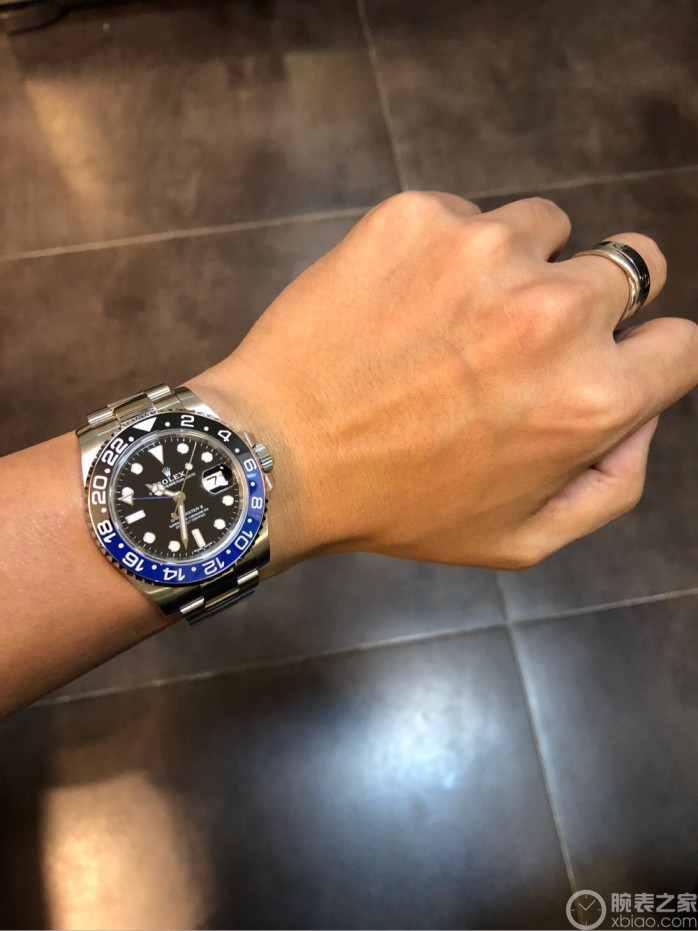
A new generation of collectors is changing how people discover valuable objects. Arena Club’s Time Box introduces chance, transparency, and digital trading into one of the world’s most traditional collecting categories: luxury watches.
Luxury watches have historically been purchased through careful research, personal preference, and long relationships with retailers, dealers, and brands. Collectors typically choose a specific reference because of its design, history, movement, rarity, or connection to a particular moment in watchmaking.
Arena Club is proposing a different experience: instead of selecting a watch, collectors can discover one.
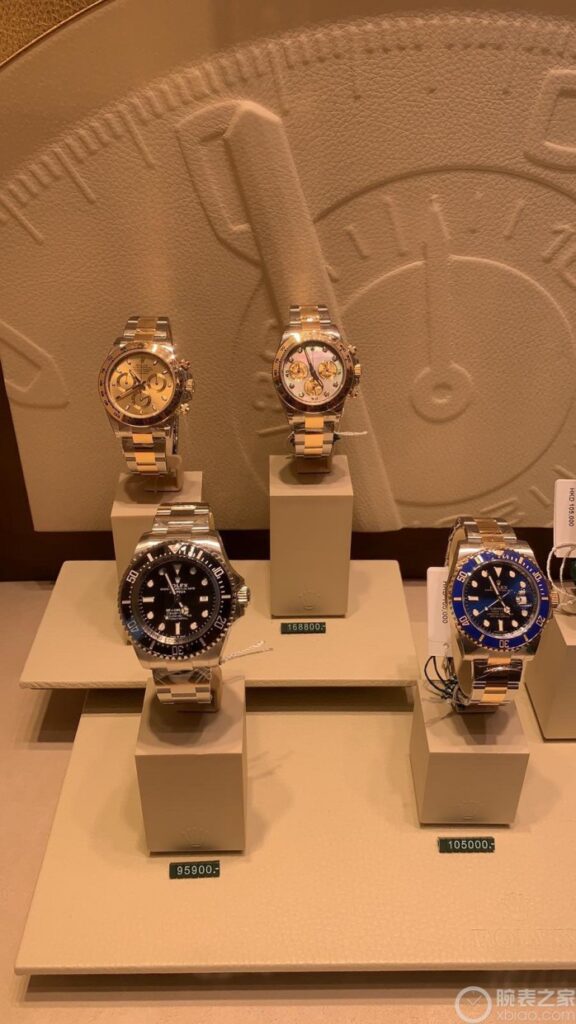
The company’s new Time Box offering applies the blind-box concept – already popular in trading cards and collectible toys – to authenticated luxury watches. The idea combines the excitement of an unboxing experience with the infrastructure of a digital marketplace, allowing buyers to reveal, trade, store, or sell their watches through Arena Club’s platform.
The concept raises an important question for the watch industry: can the excitement of discovery coexist with the highly personal nature of luxury watch collecting?
The Rise of Experience-Based Collecting
Founded in 2022 by baseball legend Derek Jeter and entrepreneur Brian Lee, Arena Club originally focused on collectible trading cards, including sports cards, Pokémon, and Magic: The Gathering.
Its flagship Slab Packs introduced a digital version of card collecting. Buyers purchase packs represented digitally, while the underlying physical cards are authenticated and stored. Each pack is categorized by rarity, creating an experience built around anticipation and discovery.
The model follows a trend that has become increasingly familiar across consumer culture. Blind-box toys, including popular collectible figures such as Labubu and Sonny Angel, rely on the psychological appeal of surprise: buyers know the general category of what they are purchasing but not the exact item they will receive.
The same principle has existed for decades in products such as cereal-box toys and McDonald’s Happy Meal collectibles. The appeal is not only ownership – it is participation in a collecting experience.
Arena Club’s expansion into watches represents a more ambitious application of this idea. Unlike trading cards or toys, luxury watches are expensive, functional objects with craftsmanship, heritage, and a deeply established collector culture.
That difference may ultimately determine whether the concept succeeds.
How Arena Club’s Time Box Works
Time Box launched following a beta period in the spring, introducing randomized luxury watch purchases across multiple price levels.
Each box contains a digitally represented watch that falls into one of three categories:
| Tier | Description | Typical Examples |
|---|---|---|
| The Grail | Highest-value and rarest watches with the lowest probability | Rolex Daytona, Patek Philippe models |
| The Chase | Highly desirable watches with better availability | TAG Heuer, Franck Muller, selected Rolex models |
| The Lineup | More common outcomes within the collection | Breitling, Citizen, and other brands |
The watches themselves are authenticated new and pre-owned pieces from brands including Rolex, Audemars Piguet, Patek Philippe, Omega, Cartier, IWC Schaffhausen, Breitling, Tudor, Citizen, Hamilton, Mido, and Tissot.
Arena Club emphasizes that buyers know the odds before purchasing. Those probabilities update in real time as boxes are opened, creating a level of transparency that distinguishes the platform from traditional mystery-product models.
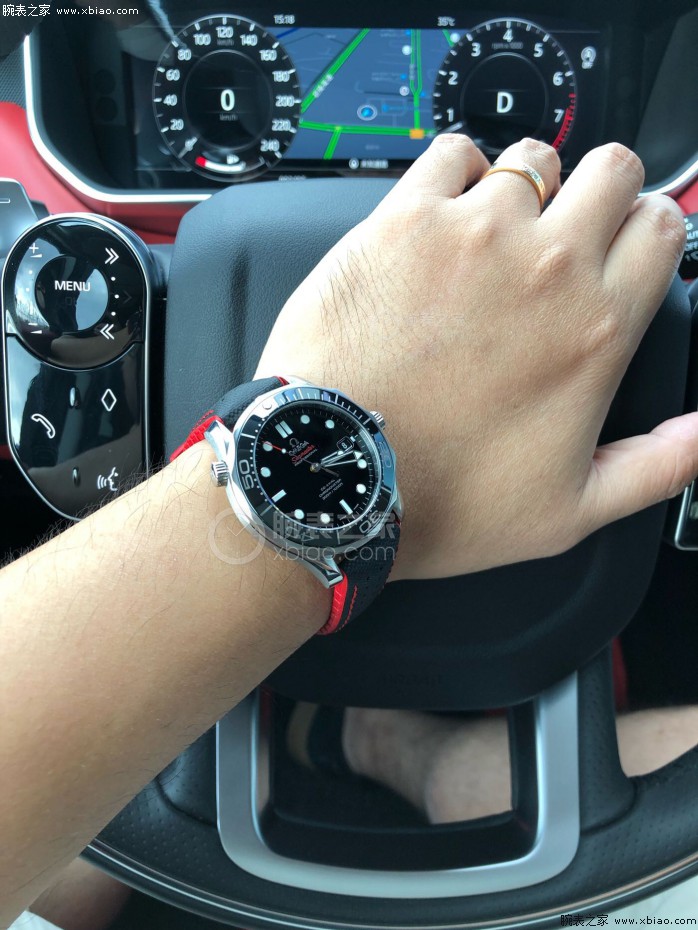
Discovery, Access, and Liquidity
One of the biggest challenges in luxury watch collecting is access.
Some desirable watches are difficult to obtain through traditional retail channels, while the secondary market can involve uncertainty around authentication, pricing, and finding trustworthy buyers.
Arena Club’s model attempts to address those issues by combining three elements:
1. Authentication
Luxury watches have one of the most complex counterfeit markets in the world. A marketplace built around verified replica watches could provide additional confidence for buyers who are unfamiliar with dealers or secondary platforms.
2. A New Entry Point for Younger Collectors
Traditional watch collecting often requires extensive knowledge. Buyers may need to understand references, movements, production history, market pricing, and condition grading before making significant purchases.
A blind-box format lowers the barrier to entry by turning acquisition into an experience. For younger consumers accustomed to digital collectibles, gaming mechanics, and online communities, this format may feel more natural than visiting a traditional watch dealer.
3. Improved Resale Options
After revealing a watch, buyers can choose to have it shipped, sell it back to Arena Club, or keep it stored in the company’s vault.
The immediate resale option addresses one of the weaknesses of luxury watch ownership: liquidity.
Unlike stocks or other easily traded assets, watches often require finding the right buyer, negotiating a price, and verifying authenticity. Arena Club’s integrated marketplace aims to shorten that process.
The Numbers Behind the Boxes
Arena Club offers Time Boxes at different price levels, ranging from $250 to $10,000.
The company’s higher-priced offerings provide access to more valuable potential outcomes.
Eclipse Box — $5,000
The Eclipse Box includes watches from brands such as Rolex, Breitling, IWC, and Tudor.
Examples of possible outcomes include:
- A “Grail Tier” Rolex Daytona in rose gold with a chocolate dial or Rolex Cosmograph Daytona: approximately 0.05% chance.
- A new/unworn Rolex Oyster Perpetual with a silver dial: approximately 0.44% chance.
- A new/unworn Breitling Superocean: approximately 3.86% chance.
Twilight Box — $1,000
The Twilight Box includes a broader range of possibilities.
Examples include:
- Audemars Piguet Royal Oak Offshore: approximately 0.03% chance.
- Rolex Daytona in steel and yellow gold with mother-of-pearl and diamond dial: approximately 0.03% chance.
- TAG Heuer Carrera Day-Date: approximately 0.44% chance.
- Citizen Series 8 831: approximately 3.86% chance.
The $250 Dusk Box sold out following launch, demonstrating consumer interest in lower-cost entry points.
Luxury Watches Are Not Just Collectibles
While the blind-box model works naturally for trading cards, applying it to watches presents a more complicated challenge.
A trading card’s value is often determined by rarity, condition, and market demand. A watch carries additional layers of meaning.
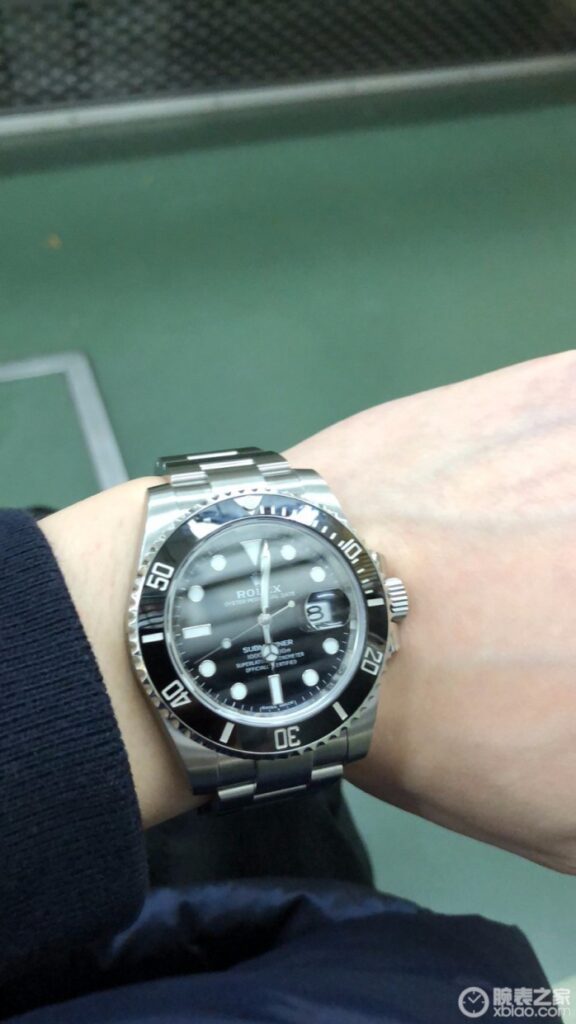
Collectors frequently choose watches because of:
- a specific design;
- a historical connection;
- a particular movement;
- personal milestones;
- brand heritage.
A collector searching for a Rolex Submariner, for example, may not view a different luxury watch of similar market value as an equivalent substitute.
This creates the central tension of Time Box: the excitement of surprise may attract new collectors, but experienced enthusiasts often value intentional selection.
A $5,000 watch that someone did not choose may not provide the same emotional satisfaction as a carefully researched purchase.
Transparency Versus Gamification
Arena Club’s approach attempts to separate itself from traditional mystery products by publishing probabilities and maintaining a digital record of available watches.
That transparency matters.
Consumers are increasingly skeptical of blind purchasing systems where odds are unclear or where the perceived value of outcomes is difficult to evaluate. By showing possible watches and updating probabilities, Arena Club provides information that allows buyers to make a more informed decision.
However, transparency does not eliminate the element of chance.
The experience still depends on the psychology of anticipation – the same factor that drives collectible toys, card packs, and other randomized products.
For some buyers, that excitement is the appeal. For others, it may conflict with the traditional philosophy of luxury purchasing, where exclusivity and personal choice are central.
What Time Box Could Mean for the Future of Watch Collecting
Arena Club’s experiment reflects a broader shift in luxury markets. Younger consumers increasingly value experiences, communities, and digital interaction alongside ownership itself.
The future of collecting may not be limited to simply buying an object. It may involve:
- discovering items through digital platforms;
- participating in collector communities;
- trading assets more easily;
- combining physical ownership with online experiences.
Time Box is unlikely to replace traditional watch buying. Enthusiasts seeking a specific reference will continue working with authorized dealers, independent retailers, and specialist marketplaces.
Instead, its significance may be introducing a new category of watch consumption – one where collecting becomes part entertainment, part marketplace, and part social experience.
A New Experiment in Luxury Ownership
Arena Club’s Time Box is not just a different way to purchase a watch. It represents a broader experiment in how valuable objects are discovered and traded.
The model succeeds because it combines three powerful forces: the emotional appeal of surprise, the growing demand for digital collecting experiences, and the need for greater trust in secondary markets.
Whether traditional watch collectors embrace randomness remains uncertain. Luxury watches have always been about personal connection as much as financial value.